

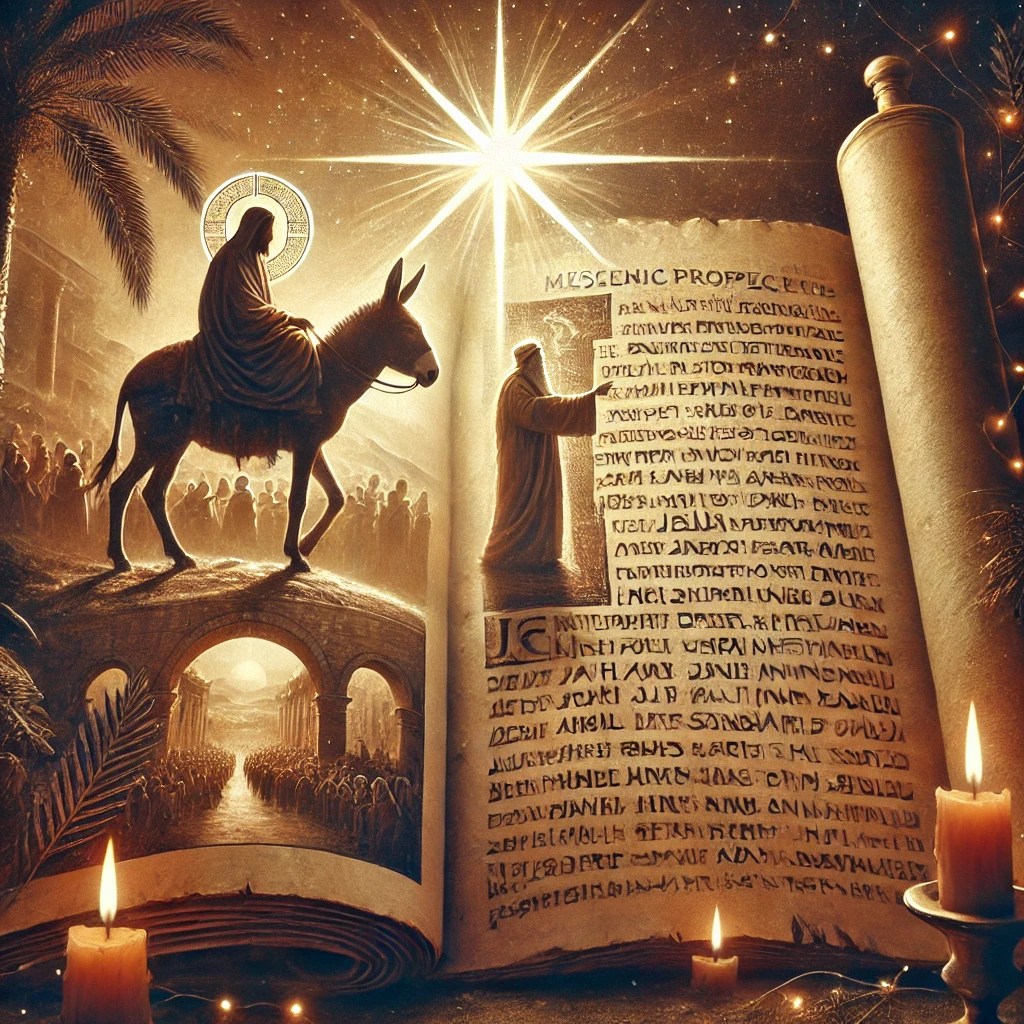
Prophecies Fulfilled, Call to Watchfulness
When Jesus rebuked the Pharisees for “not discerning the signs of the times” (Matthew 16:3), He exposed a spiritual blindness that still threatens believers. The same Scriptures that predicted His first coming now call us to await His return. This blog follows the three key messianic prophecies: conception, birthplace, and royal entry, showing how each was fulfilled in Jesus and urging us to develop the discernment our Lord expects.
The Virgin Conception
Isaiah announced, “Behold, the virgin shall conceive and bear a son, and shall call his name Immanuel.” Centuries later Matthew records that Mary “had not known a man” when she conceived Jesus by the Holy Spirit. He cites Isaiah directly and identifies the child as Immanuel, “God with us,” affirming that the incarnation brings God’s own presence into human history.
Born in Bethlehem
Micah specified an unlikely village for Israel’s future ruler: “From you, Bethlehem Ephrathah … shall come forth for Me one who is to be ruler in Israel.” Because of Rome’s census Joseph and Mary traveled from Nazareth to Bethlehem, and Jesus was born there. The priests who advise Herod can quote the prophecy but remain unmoved, illustrating that mere knowledge without faith still misses the sign. (Matthew 2:4–6)
The Triumphal Entry
Zechariah portrayed a righteous and victorious king who comes “lowly and riding on a donkey.” Jesus deliberately fulfills this prophecy by riding a colt into Jerusalem while the crowd cries, “Hosanna.” He affirms His kingship through humility, offering salvation rather than might.
Why Prophetic Fulfillment Matters
- Authenticates Jesus’ identity. Precise fulfillments ground the Christian claim in historical events, not sentiment.
- Confirms the reliability of Scripture. Prophecy and fulfillment show that God’s word accomplishes what it promises (Isaiah 55:11).
- Calls believers to vigilance. The first advent arrived amid widespread blindness; the second will do the same unless we “keep awake” (Matthew 24:42).
Discerning the Times in Light of Scripture
Jesus warned of wars, rumors of wars, and social upheavals (Matthew 24:6-8). He likened these events to labor pains, distressing yet necessary precursors to the culmination of God’s redemptive plan. Rather than responding with fear or speculation, believers are called to:
- Observe world events with discernment, trusting in God’s sovereign control (Matthew 24:6; Isaiah 46:10)
- Compare current developments to the broader framework of biblical prophecy without succumbing to sensationalism (Acts 17:11; 2 Peter 1:19)
- Live in a state of readiness, marked by holiness, faithful witness, and enduring hope (1 Peter 1:13–16; Titus 2:13; Matthew 24:44)
Living with Prophetic Awareness
The fulfilled prophecies of Jesus’ birth and ministry prove that God’s redemptive plan unfolds on His timetable. Ignoring these signs repeats the Pharisees’ error, while recognizing them aligns us with the disciples who asked, “What will be the sign of Your coming?” (Matthew 24:3). That question is answered not through speculation but through faithful readiness, confident that the One who came in humility will return in glory.
 Spread the Spirit
Share your thoughts!