

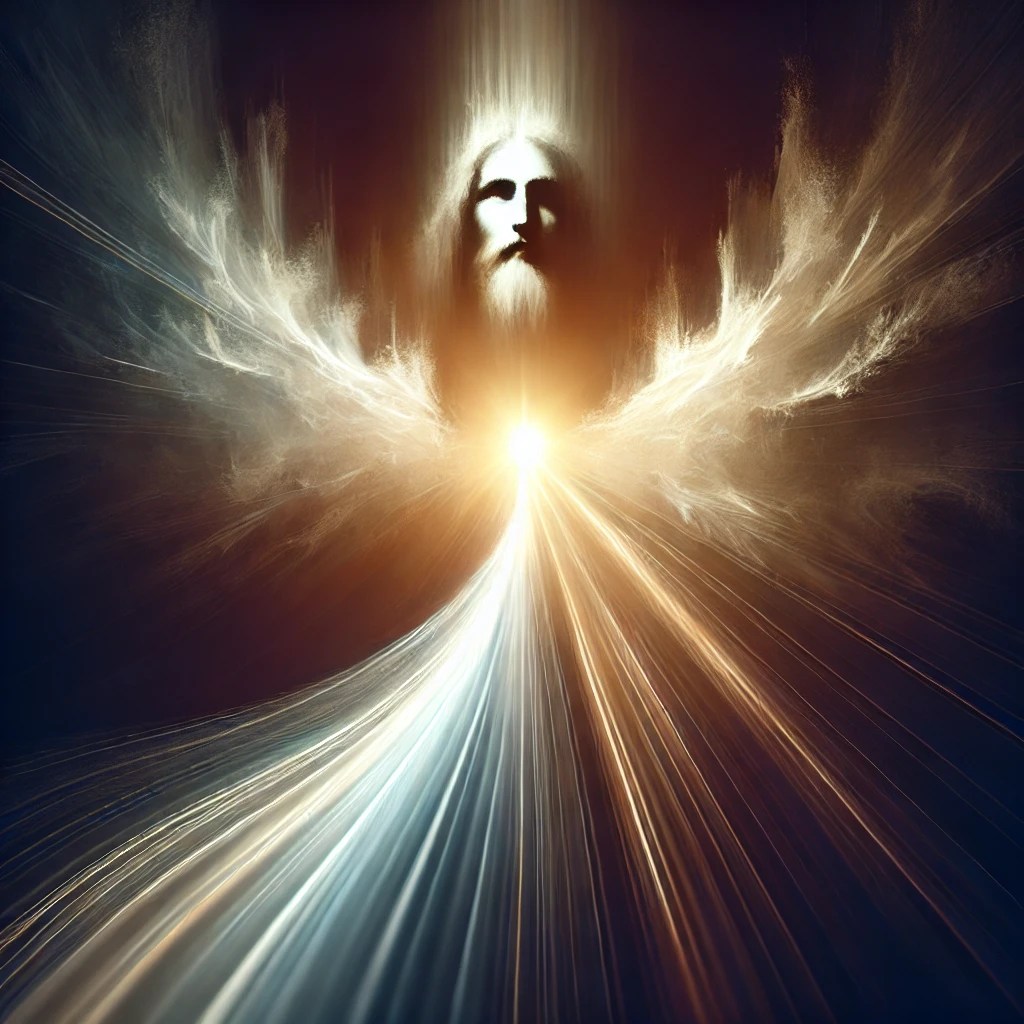
“For with thee is the fountain of life: in thy light shall we see light.”
— Psalm 36:9
A Canonical Framework for Divine Illumination
From Genesis to Revelation, light is Scripture’s governing metaphor for God’s self-revelation: truth, holiness, and saving presence. Every major stage of redemptive history is marked by divine illumination, moving from creation, through prophecy, to Christ, to the Spirit-filled church, and finally to the new creation.
Light in the Old Testament
| Theme | Reference | Description |
|---|---|---|
| Cosmic Order | Genesis 1:1–4 | Light separates chaos from order and signals God’s sovereign rule. |
| Prophetic Guidance | Isaiah 42:9; Psalm 119:105 | The spoken and written Word serves as a prophetic light and invites a response of faithful obedience. |
| Covenantal Presence | Exodus 13:21–22 | The pillar of fire represents God’s presence and protection in the wilderness. |
| Eschatological Hope | Isaiah 60:19–20 | A promised light beyond sun and moon prefigures the messianic age. |
Each of these aspects treats light as an extension of God’s character, not as a neutral or impersonal force.
The Prophetic Word as Lamp
Isaiah warns that those who do not speak according to the Torah have “no dawn” (Isaiah 8:20). The prophets function as bearers of light, redirecting Israel to covenantal fidelity. David’s dependence on prophetic oracles (2 Samuel 5:19) underscores his submission to God’s guiding Word, even in political matters.
Christ, the Light of the World
The hope of Isaiah 9:2—“a great light” shining on those in darkness, is fulfilled in Jesus Christ (Matthew 4:15–16). He proclaims, “I am the light of the world” (John 8:12;12:46), not as a mere transmitter of divine truth, but as its embodied source. Revelation affirms that “the testimony of Jesus is the spirit of prophecy” (Revelation 19:10), revealing that the entire prophetic arc culminates in Him.
Light in the Community of the Spirit
After Christ’s ascension, the light becomes participatory. Jesus calls His followers “the light of the world” (Matthew 5:14–16), not because of innate goodness, but because His Spirit indwells them. Their witness stems from a living union with the Light Himself, not from moral striving.
Silence, Famine, and Dawn
John announces the end of divine silence: “In him was life; and the life was the light of men” (John 1:4–5). The prophet Amos had foretold a famine, not of bread, but of hearing the words of the LORD (Amos 8:11–12), a silence that stretched from Malachi to the coming of Christ. This silence is finally broken, as Hebrews 1:1–2 declares: God, who once spoke through the prophets, has now spoken fully in His Son.
Everlasting Light
In the closing vision of Revelation, light is no longer mediated through signs or voices. “There shall be no night there … for the Lord God giveth them light” (Revelation 22:5). This redemptive story finds its conclusion in the unending presence of divine light.
Theological progression:
- Creation – Light spoken into being (Genesis 1:3)
- Prophecy – Light mediated through the Word
- Incarnation – Light embodied in Christ
- Ecclesia – Light manifested through the Spirit
- Consummation – Light unmediated and eternal
The Inheritance of Light: A Call to Revelation
To reject God’s revelation is to remain in darkness (Isaiah 8:20). To receive it is to be “made meet to be partakers of the inheritance of the saints in light” (Colossians 1:12). The church is not only a witness to the light, it participates in the radiance of God’s glory, even now, as “the darkness is past, and the true light now shineth” (1 John 2:8).
 Spread the Spirit
Share your thoughts!