

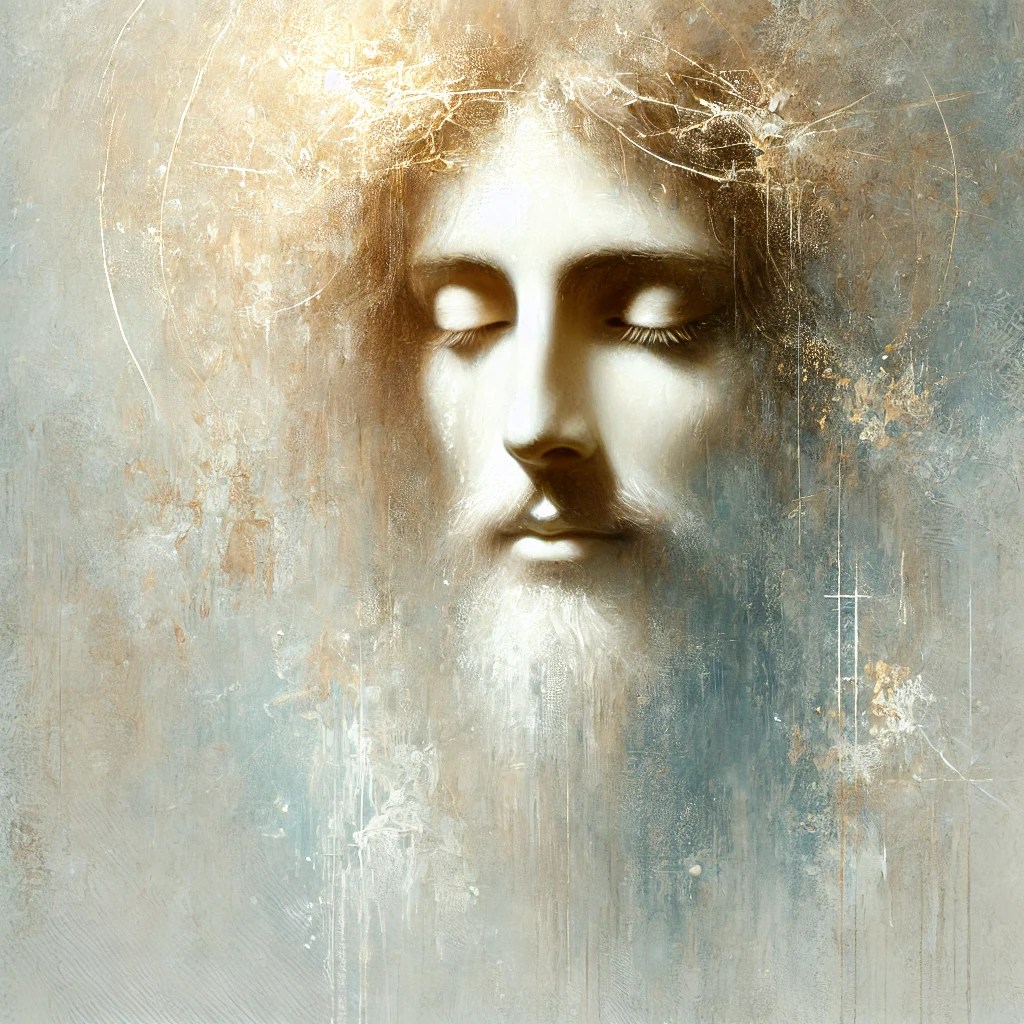
The Bible presents a unified story revealing the singular identity of God as the Savior of His people. From the Old Testament proclamation in Isaiah 43:11—“I, even I, am the LORD; and beside me there is no saviour”—to the New Testament exaltation of Jesus in Philippians 2:9-11—“That at the name of Jesus every knee should bow… and every tongue should confess that Jesus Christ is Lord, to the glory of God the Father”—Scripture intertwines to reveal that God alone saves and has fully revealed Himself in the person of Jesus Christ.
Let us explore how the Old and New Testaments unite to affirm that Jesus is the one true God, manifested as Savior, and the name by which salvation is accomplished.
God Declares Himself as the Only Savior
The foundation of biblical salvation is firmly established in the Old Testament’s emphatic declaration that the LORD (YHWH) is the only Savior. This exclusivity underscores that salvation is an act of God Himself, without intermediaries or shared roles.
Isaiah 43:11: “I, even I, am the LORD; and beside me there is no saviour.”
Hosea 13:4: “Yet I am the LORD thy God from the land of Egypt, and thou shalt know no god but me: for there is no saviour beside me.”
These declarations lay the groundwork for understanding the unified identity of God as the Savior and Redeemer. This truth carries forward into the New Testament, where salvation is revealed exclusively in the name of Jesus.
The Prophecy of a Cornerstone and Savior
The Old Testament not only asserts God’s role as Savior but also foreshadows how He would accomplish this salvation. Through the image of a cornerstone, the prophets reveal the foundation of God’s redemptive plan:
Isaiah 28:16: “Therefore thus saith the Lord GOD, Behold, I lay in Zion for a foundation a stone, a tried stone, a precious corner stone, a sure foundation: he that believeth shall not make haste.”
The New Testament explicitly identifies Jesus as this cornerstone, fulfilling the prophetic promise:
Acts 4:11-12: “This is the stone which was set at nought of you builders, which is become the head of the corner. Neither is there salvation in any other: for there is none other name under heaven given among men, whereby we must be saved.”
Here, Peter connects the Old Testament prophecy to Jesus, affirming that He is the foundation of God’s plan for salvation. The cornerstone imagery shows that Jesus is both the fulfillment of prophecy and the source of hope for all who believe.
Jesus: The Name Above All Names
The New Testament further reveals that the name of Jesus is central to salvation. This is not a departure from the Old Testament but its fulfillment. As Paul writes:
Philippians 2:9-11:
“Wherefore God also hath highly exalted him, and given him a name which is above every name: That at the name of Jesus every knee should bow… And that every tongue should confess that Jesus Christ is Lord, to the glory of God the Father.”
This exaltation of Jesus’ name reflects His divine identity. Paul’s words echo Isaiah 45:23:
“I have sworn by myself… That unto me every knee shall bow, every tongue shall swear.”
By linking the prophecy to Jesus, Paul confirms that the worship owed to YHWH is now rightly directed toward Him, affirming that He is the LORD revealed in the flesh. This profound truth is beautifully expressed in Isaiah 9:6:
Isaiah 9:6:
“For unto us a child is born, unto us a son is given: and the government shall be upon his shoulder: and his name shall be called Wonderful, Counsellor, The mighty God, The everlasting Father, The Prince of Peace.”
The titles “The mighty God” and “The everlasting Father” are not mere attributes but directly identify the child as the one true God, YHWH Himself. Paul builds upon this foundation, affirming that the promised child is Jesus, the physical manifestation of the LORD. This demonstrates the seamless unity between the God of the Old Testament and His revelation in Jesus Christ.
The Fullness of God in Christ
Jesus is not a secondary or separate person within the Godhead but the full and complete manifestation of God Himself:
Colossians 2:9: “For in him dwelleth all the fulness of the Godhead bodily.”
John 14:9: “He that hath seen me hath seen the Father.”
This unity is further emphasized by Isaiah 42:8:
“I am the LORD: that is my name: and my glory will I not give to another.”
The glory given to Jesus in Philippians 2:9-11 does not imply shared glory with another being but reveals the fullness of God’s glory manifested in Him. The name of Jesus is the revealed name of YHWH, encompassing His divine authority, power, and presence.
The Eternal Foundation of Christ
The Bible concludes with a vision of an eternal foundation built on Christ and the testimony of His apostles:
Revelation 21:14 : “And the wall of the city had twelve foundations, and in them the names of the twelve apostles of the Lamb.”
This eternal foundation reflects the culmination of God’s redemptive work: a permanent dwelling place with His people, established on the name of Jesus, the Lamb of God who takes away the sin of the world (John 1:29). Through Him, the one true God reconciles His people to Himself and ensures that His name is exalted above all.
Jesus Is the One Savior
The connection between Isaiah 43:11 and Philippians 2:9-11 reveals the unity of God’s work of salvation. In the Old Testament, God declares that He alone is Savior and will not share His glory. In the New Testament, this truth is fulfilled in Jesus, whose name is exalted above every name.
When we bow at the name of Jesus, we bow to the one true God revealed in the flesh to accomplish salvation. Jesus is the cornerstone of our faith, the foundation of our salvation, and the eternal revelation of God’s glory. As Acts 4:12 proclaims:
“Neither is there salvation in any other: for there is none other name under heaven given among men, whereby we must be saved.”
Jesus is the LORD, the Savior, and the fulfillment of all God’s promises.
 Spread the Spirit
Share your thoughts!