

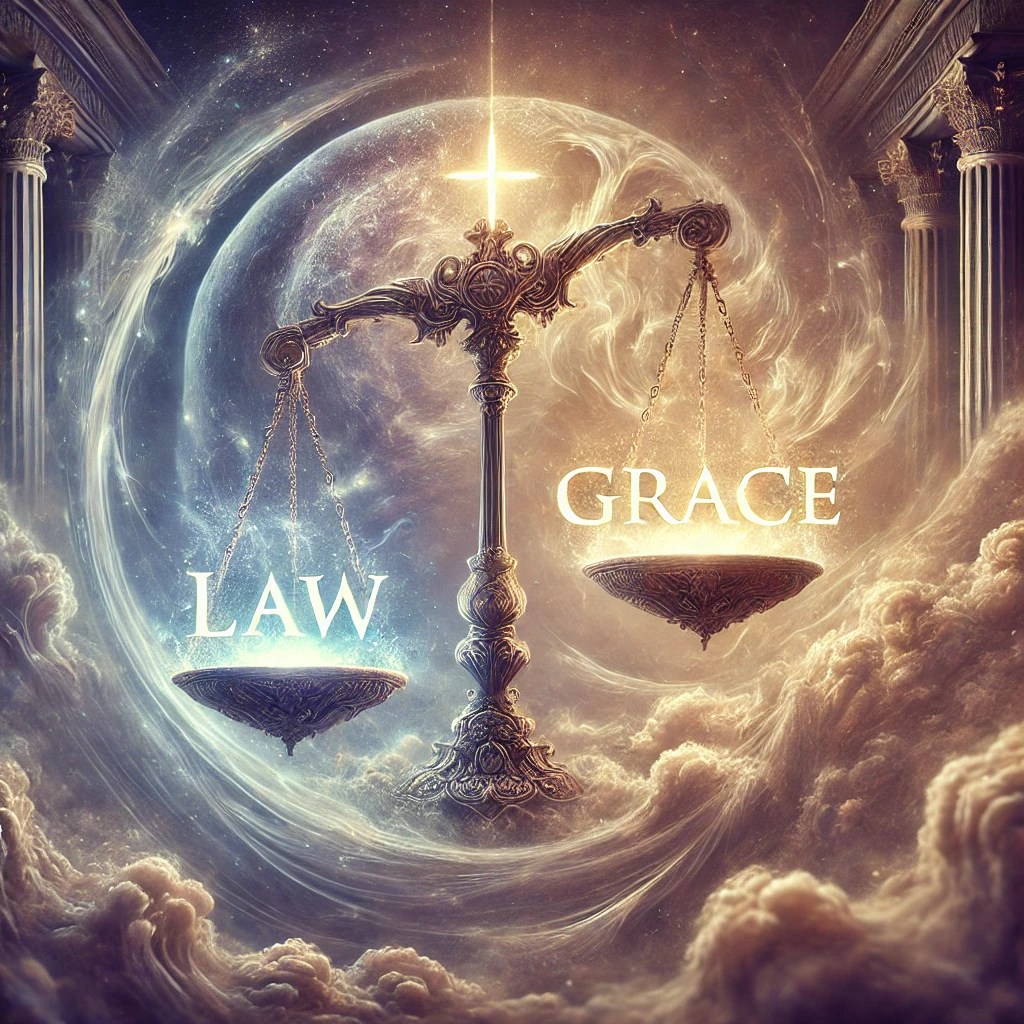
Refuting the Myth of Lawlessness
✔ Refutes a major theological misconception. Many use Paul’s writings to promote lawlessness (antinomianism) or dismiss obedience altogether. ✔ Oneness believers need clarity. Since salvation is not by faith alone but includes works (Matthew 7:21, James 2:26), this aligns with biblical teaching. ✔ Exposes Trinitarian inconsistencies. If Paul supposedly abolished the Law, why does he repeatedly affirm obedience and holiness?
The Misunderstanding of Paul and His Encounter with Christ
Many claim Paul abolished the Law and that we are saved by faith alone, without obedience. However, Paul’s encounter with Christ on the road to Damascus (Acts 9:1-19) played a pivotal role in shaping his understanding of the Law and grace.
Did Paul’s transformation mean he dismissed God’s commandments, or did he gain a deeper understanding of how they are fulfilled in Christ? His writings, when read in context, tell a very different story. Instead of dismissing the Law, Paul clarifies its role in the life of a believer.
To illustrate, many take Romans 6:14 out of context, claiming it teaches that believers are no longer under any law. However, just one verse later, Romans 6:15, Paul himself refutes this misunderstanding by stating, “Shall we sin because we are not under law but under grace? Certainly not.”
Paul’s Own Words: He Never Abolished the Law
Paul explicitly states that faith does not void the Law but rather upholds it:
- Romans 3:31 – “Do we then make void the law through faith? Certainly not. On the contrary, we establish the law.”
- 1 Corinthians 7:19 – “Circumcision is nothing, and uncircumcision is nothing, but keeping the commandments of God is what matters.”
- Romans 6:1-2 – “Shall we continue in sin that grace may abound? Certainly not. How shall we who died to sin live any longer in it?”
Paul is clear that grace does not remove the need for obedience. Instead, grace establishes righteousness by transforming the believer to walk according to God’s ways.
What Did Paul Mean By ‘Works of the Law’?
Some misunderstand Paul’s statements on works:
- Ephesians 2:8-9 – “By grace you have been saved, through faith, and that not of yourselves. It is the gift of God, not of works, lest anyone should boast.”
Paul is not rejecting obedience but rather the idea that salvation is earned through following traditions and rituals. He was addressing:
- The Jewish ceremonial laws (such as circumcision, sacrifices, dietary laws, and ritual washings), which were shadows of things to come.
- The belief that following external traditions alone was enough to secure righteousness, rather than having a genuine faith that leads to obedience.
This distinction clarifies that Paul upheld moral obedience while rejecting the idea that salvation could be earned through rituals alone.
Paul Kept the Law Himself
If Paul truly abolished the Law, why did he personally observe it? His actions contradict the claim that he disregarded obedience:
- Acts 21:24 – Paul participated in a purification ritual in the temple to prove that he still followed the Law.
- Acts 25:8 – Paul defended himself before the Roman authorities, saying, “I have committed no offense against the law of the Jews, nor against the temple, nor against Caesar.”
- Romans 7:12 – “The law is holy, and the commandment holy and just and good.”
Paul did not see obedience as irrelevant. Instead, he emphasized that true faith leads to righteous living, in accordance with God’s will.
Paul vs. Jesus: Did Paul Contradict Christ?
Jesus explicitly affirmed the permanence of the Law:
- Matthew 5:17 – “Do not think that I came to destroy the Law or the Prophets. I did not come to destroy but to fulfill.”
Since Paul was a disciple of Jesus, he could not have taught against Christ’s words. Instead, he affirmed that faith in Jesus did not abolish the need for obedience but rather empowered believers to uphold God’s commandments, not merely in outward observance but in the fullness of devotion and truth.
What Did Paul Actually Teach About Grace and Obedience?
Paul taught that grace empowers believers to obey God’s commands, not ignore them:
- Titus 2:11-12 – “For the grace of God that brings salvation has appeared to all men, teaching us that, denying ungodliness and worldly lusts, we should live soberly, righteously, and godly in the present age.”
Grace is not a license to sin but a divine enablement to live righteously and follow God’s will. True faith is expressed through obedience to His commandments.
Paul Upheld the Law Through Faith in Christ
Paul’s teachings have been misunderstood for centuries, just as Peter warned in 2 Peter 3:16, where he noted that some distort Paul’s words to their own destruction. This issue is extensively explored in “Antinomianism: Reformed Theology’s Unwelcome Guest?” by Mark Jones, which addresses how misinterpretations of Paul’s teachings can lead to lawlessness. However, when properly examined:
- Paul upheld the Law as holy and just.
- He rejected legalism, not faithful obedience.
- He emphasized that true faith produces obedience (James 2:26).
Rather than nullifying the Law, Paul clarified its fulfillment in Christ, demonstrating that obedience flows from faith, not as a means of salvation but as the fruit of a transformed life. As believers, we are called to uphold God’s commandments, not through rigid laws but through faith and a heart renewed by His Spirit.
His writings clarify that grace empowers rather than replaces obedience, calling believers to a life of righteousness, not lawlessness. By understanding Paul’s true intent, we can reject misinterpretations and fully embrace the revealed truth of faith and obedience in Christ.
Reference:
Antinomianism: Reformed Theology’s Unwelcome Guest?” by Mark Jones – A detailed examination of the dangers of antinomianism and misinterpretations of Paul’s teachings.
 Spread the Spirit
Share your thoughts!